
Mouse control
Mouse Trap Selection Guide: Snap, Live-Catch or Multi-Catch?
Compare common mouse trap formats by site, service frequency, capture objective and maintenance needs.
Start with the site, not the trap
Confirm that the signs are from mice and map where activity is occurring. Droppings, gnawing, rub marks and sightings near edges can help define travel routes. Consider whether the location is a home, food storage area, retail space or frequently serviced commercial site.
How the main formats differ
Choose the format by capture objective, inspection routine and placement conditions. The table below is a selection aid; product instructions and local requirements take priority.
| Format | Best suited to | Service requirement | Confirm before purchase |
|---|---|---|---|
| Snap trap | Direct mechanical control at known mouse travel routes | Inspect regularly; reset or replace after activation | Mouse sizing, trigger design, placement safety and pack count |
| Single-catch enclosed trap | Locations where an enclosed single-capture format is preferred | Inspect at the interval required by instructions and local rules | Chamber visibility, release method, cleaning and instructions |
| Multi-catch trap | Monitored commercial sites with a defined servicing route | Frequent recorded inspection and cleaning | Capacity, entry format, lid type, insert and service access |
| Glue board or tray | Monitoring or control where the format is permitted | Regular inspection; protect from dust, moisture and non-target access | Target pest, adhesive area, placement conditions and local rules |
Selection checklist
- Correct size for the target rodent
- Indoor or protected outdoor placement
- Required inspection and servicing frequency
- Risk to children, pets and non-target animals
- Cleaning, reset and disposal procedure
- Local rules and the product label
Further reading
Continue learning
Related pest control guides.
Integrated Pest Management Basics: A Practical Five-Step Plan
Use inspection, prevention, monitoring and targeted control as one repeatable pest management process.
Read guide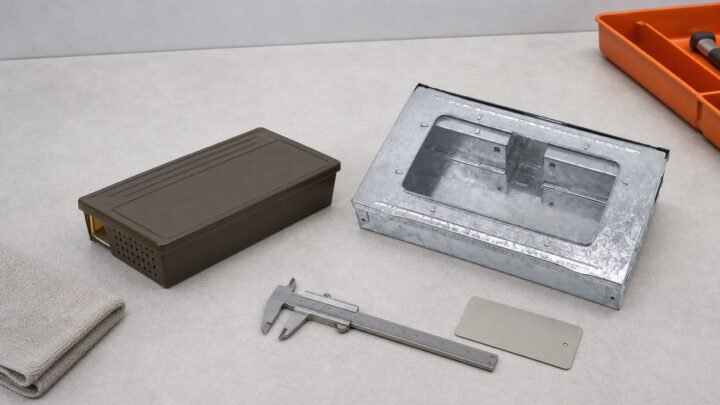
Plastic vs Galvanized Multi-Catch Mouse Traps: Clear Lid or Solid Lid?
Choose a multi-catch mouse trap by inspection access, material, cleaning process, finish protection and the service routine of the target location.
Read guide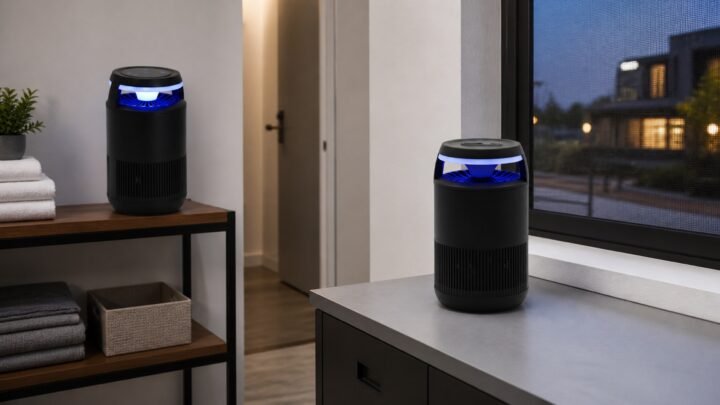
Insect Light Trap Types: Glue Board, Electric Grid or Fan Suction?
Compare glue-board, electric-grid and fan-suction insect light traps by target insect, placement, service needs and importer checks.
Read guide