
Sourcing and quality
How to Evaluate a Mouse Trap Supplier: Buyer Checklist
A 12-point process for comparing mouse trap samples, specifications, packaging, inspection plans and repeat-order controls.
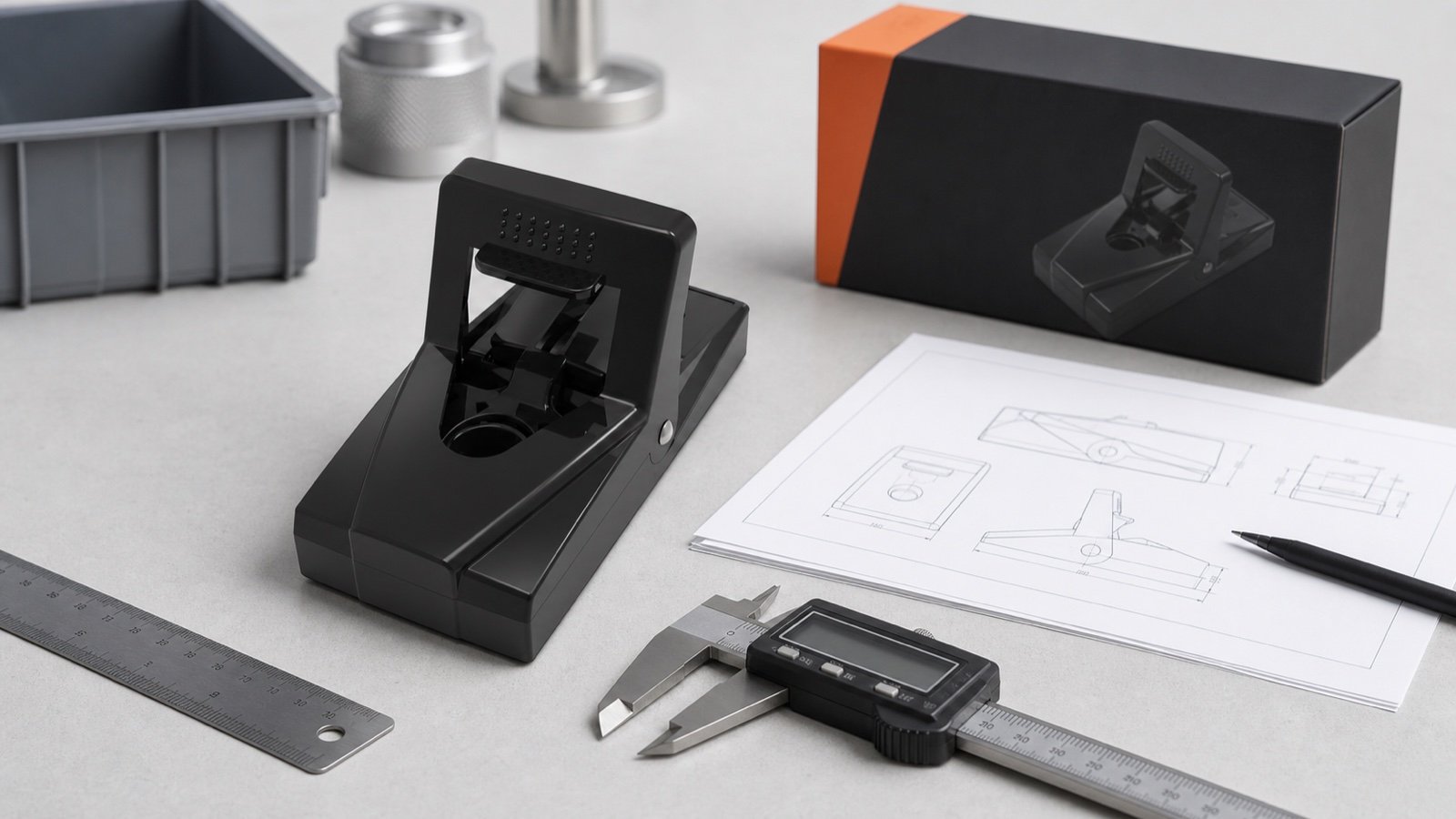
What should buyers check before choosing a mouse trap supplier?
A mouse trap supplier should be evaluated against 12 connected points: target pest, product format, materials, dimensions, setting action, trigger performance, release or disposal method, visible workmanship, retail packaging, carton data, inspection criteria and repeat-order records. A low unit price is not comparable unless every supplier is quoting the same approved product and pack.
Start with the sales channel and target user. A two-pack for a hardware retailer, a professional bulk pack and an Amazon-ready private-label unit may use the same trap body but require different instructions, labels, accessories and carton quantities.
Use one comparable mouse trap specification
The quotation brief should identify the model, target rodent and intended pack before price comparison. Record measurable details instead of relying on a sample photograph or a general description such as heavy duty.
- Product name, model number and target species
- Main material, metal components and requested color
- Overall dimensions, unit weight and any agreed tolerance
- Setting method, trigger area and release or disposal method
- Logo method, print position and approved color reference
- Units per retail pack, inner pack and export carton
- Instruction language, warnings, barcode and country marking
- Carton dimensions, gross weight, shipping marks and destination
What should a mouse trap sample review include?
A sample review should test the product as a buyer and end user will receive it. Keep photographs and signed comments with the approved sample so the production team and inspector work from the same reference.
| Review area | What to check | Approval record |
|---|---|---|
| Product identity | Model, target rodent, material, dimensions and color | Specification sheet and measured sample |
| Setting and trigger | Setting effort, stable set position, trigger movement and closing action | Functional checklist with pass or fail result |
| Visible workmanship | Molding marks, sharp edges, flash, cracks, coating, hinge and component fit | Defect photographs and agreed limits |
| Handling | Grip points, release method, cleaning access and supplied instructions | User review against the intended market |
| Retail pack | Pack count, protection, artwork size, instructions, barcode and warnings | Approved packaging sample or artwork proof |
| Export pack | Case quantity, dividers, carton strength, dimensions, weight and marks | Packing specification and carton reference |
How should quality requirements be defined before production?
Define quality before issuing the order. The supplier, buyer and inspector should use the same model-specific checklist, approved sample and packaging file. A generic request for good quality does not explain which faults stop shipment or which cosmetic variation is acceptable.
Separate defects by consequence. A safety or functional failure should not be grouped with a small cosmetic mark. The examples below are a starting structure, not a universal acceptance rule. The buyer must approve the defect definitions and sampling plan for the product and market.
| Defect group | Example | Buyer decision needed |
|---|---|---|
| Critical | Condition that creates an unacceptable safety or regulatory risk | Define zero-tolerance examples for the destination market |
| Major | Trap cannot be set, trigger does not operate, component is missing or pack count is wrong | Set the acceptance limit and test method |
| Minor | Small cosmetic variation that does not affect use or saleability | Define the visual limit with reference photographs |
What belongs in the final inspection plan?
The inspection plan should state the lot size, sample method, defect categories, tests, tools and acceptance decision. ISO 2859-1:2026 provides AQL-indexed sampling schemes for inspection by attributes, but it does not decide which mouse trap defects matter to your brand. That part belongs in the approved specification.
Include quantity verification, appearance, dimensions, function, pack contents, artwork version, barcode scan, carton data and shipping marks. For repeat orders, compare the new production against the same controlled reference and record every approved change.
When is a pilot order useful?
A pilot order is useful when the product, packaging route or sales channel is new. It tests assembly, artwork, packing density and shipment handling at a manageable scale. A pilot order does not replace sample approval, but it can reveal issues that one hand sample cannot show, such as carton fit, label placement speed or variation across a production lot.
Move to a larger order after the buyer has approved the product, packaging and inspection records. Keep the final files together so reorders do not rely on memory or old chat messages.
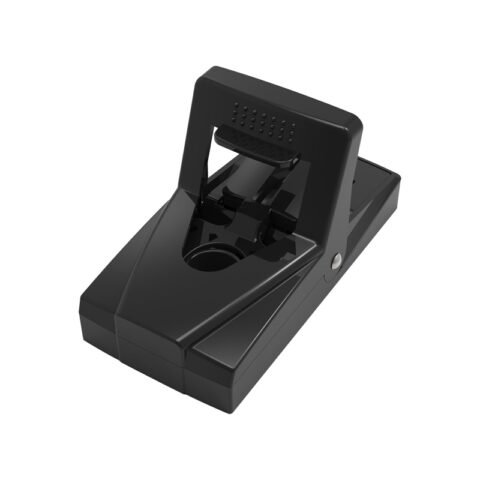
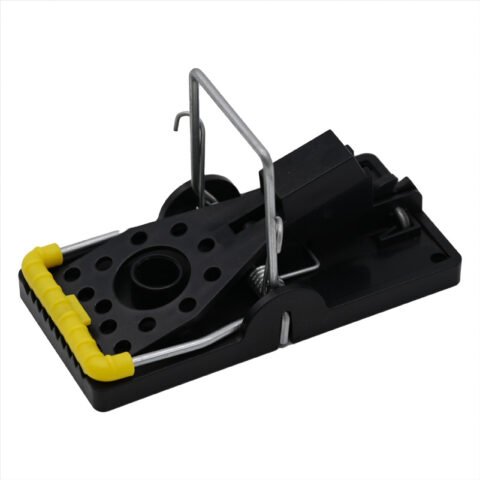
Compare mouse trap formats before requesting samples
Use a specific model number in the sample request. These PESTCON formats illustrate how trigger design, materials and retail presentation can differ inside one mouse-control range.
Frequently asked questions
What information should I send to a mouse trap supplier first?
Send the target rodent, sales country, sales channel, preferred product format, estimated quantity, branding requirement, retail pack count and delivery destination. Add a reference model or performance requirement when available.
Is a factory sample enough to approve mass production?
No. Pair the approved sample with a written specification, packaging file, defect list and inspection method. A physical sample alone does not record tolerances, artwork versions or carton requirements clearly enough.
Should I compare mouse trap quotations only by unit price?
No. Compare the same model specification, material, pack count, barcode and instruction requirements, carton quantity, Incoterm, lead time and inspection scope. Different packaging and freight volume can change the landed cost.
Can Baikang support private-label mouse trap orders?
Baikang can review suitable models for product color, logo application, retail pack count, artwork, multilingual instructions, marketplace labels, export cartons and shipment preparation. Options depend on the model and order quantity.
Further reading
Continue learning
Related pest control guides.
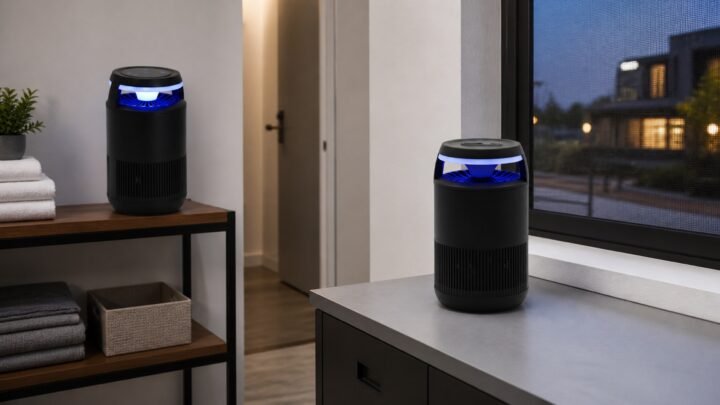
Insect Light Trap Types: Glue Board, Electric Grid or Fan Suction?
Compare glue-board, electric-grid and fan-suction insect light traps by target insect, placement, service needs and importer checks.
Read guide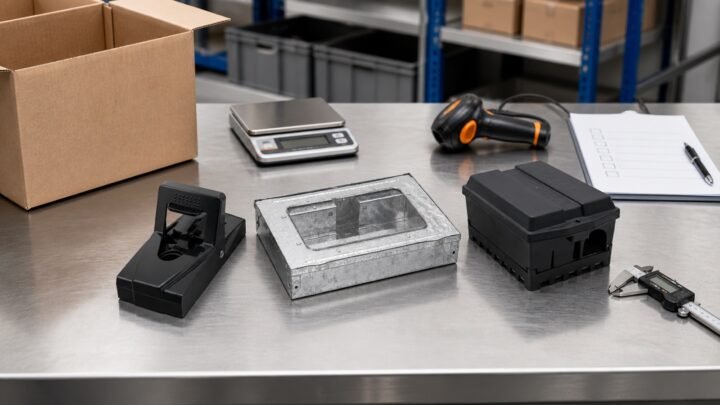
Pest Control Product Quality Inspection: AQL, Function and Packaging Checks
Build a practical pest control product inspection plan covering approved samples, AQL sampling, function tests, packaging and shipment evidence.
Read guideRat vs Mouse Identification Before Choosing a Control Product
Why species, sign size and travel location should be confirmed before selecting traps or bait stations.
Read guide