
Live animal capture
Live Animal Cage Trap Checklist: Size, Placement and Welfare
Plan cage size, stable placement, weather protection, inspection frequency and lawful release before setting a trap.
Confirm that live capture is appropriate
Wildlife rules differ by species and location. Before setting a cage trap, confirm that capture, transport and release are permitted and that the target animal can be identified reliably. A licensed wildlife professional may be the safest route for protected, aggressive or disease-risk animals.
Before placement
- Choose a cage size and door format suitable for the target species.
- Set the cage on a stable surface where it cannot roll, collapse or obstruct a public route.
- Protect the trapped animal from heat, rain and prolonged exposure.
- Reduce access by children, pets and non-target wildlife.
- Test the trigger and door before every use.
- Plan how often the trap will be checked and what will happen after capture.
After a capture
Approach cautiously, avoid direct contact and follow local animal-handling guidance. Do not leave a captured animal unattended for extended periods. Clean and inspect the cage before storage or reuse, using precautions appropriate to the species and contamination present.
Further reading
Continue learning
Related pest control guides.
Rodent-Proofing Basics: Entry Points, Food and Harborage
Reduce repeat rodent activity by pairing trapping with entry-point repair, sanitation and storage improvements.
Read guide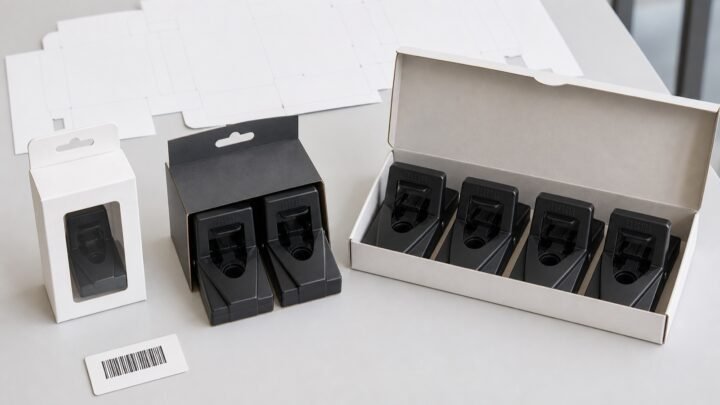
Retail Multipacks for Mouse Traps: 1-Pack, 2-Pack or 4-Pack?
Choose a mouse-trap pack count by placement need, shelf price, fulfillment rules and carton efficiency, then control the barcode and set packaging as one SKU.
Read guide
How to Evaluate a Mouse Trap Supplier: Buyer Checklist
A 12-point process for comparing mouse trap samples, specifications, packaging, inspection plans and repeat-order controls.
Read guide